The Hidden Connection Between Your Gums and Your Brain
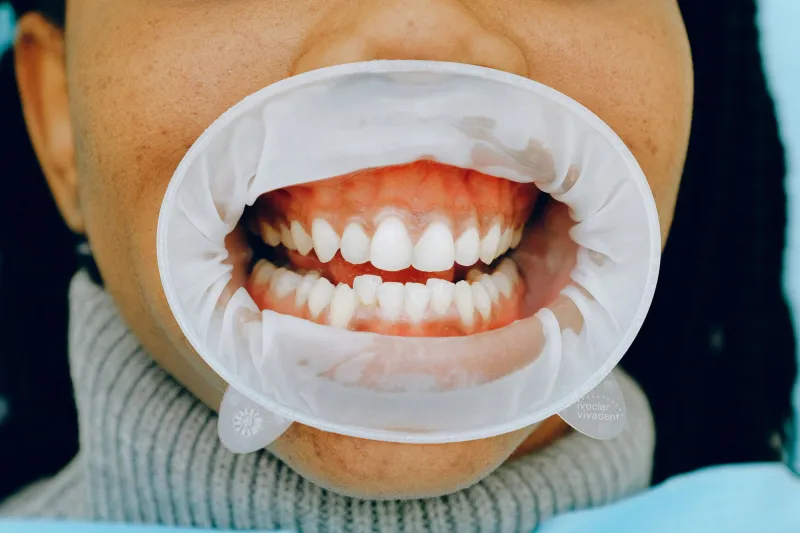
Your Mouth Is Not a Separate Zip Code
Western medicine loves to compartmentalize. You've got your cardiologist for the heart, your neurologist for the brain, your dentist for the teeth, and your GP somewhere in the middle trying to coordinate the whole thing. It's an organizational system that makes billing easier and communication harder.
But your body didn't get the memo. Especially your mouth.
The oral cavity is one of the most microbiologically complex environments in the human body. Over 700 distinct bacterial species call it home. Under healthy conditions, that community is in balance — some bacteria actively protect gum tissue, others are kept in check by immune defenses and the mechanical action of saliva. It's a functioning ecosystem, not unlike the gut.
When that ecosystem tips out of balance — through poor diet, chronic dry mouth, certain medications, or just years of dental neglect — the consequences don't stay local. They travel. And the places they end up are places you really don't want uninvited guests.
When Bacteria Go Rogue
Here's the mechanism that most people have never heard explained clearly: gum tissue, when inflamed, becomes permeable. Bacteria and their byproducts can slip through compromised gum tissue directly into the bloodstream — a process researchers call bacterial translocation. This isn't a rare event in people with periodontitis. It can happen repeatedly, every single day, just from chewing or brushing.
Once in circulation, these oral bacteria don't just float around harmlessly. Porphyromonas gingivalis, one of the primary drivers of periodontal disease, has been detected in arterial plaque, cardiac tissue, and — here's the part that should get your attention — in the brains of Alzheimer's patients.
A 2019 study published in Science Advances identified P. gingivalis in the brains of deceased Alzheimer's patients, and found that the bacterium's toxic enzymes, called gingipains, were associated with markers of the disease. The researchers also demonstrated that infecting mice with P. gingivalis produced Alzheimer's-like brain changes. That's not a casual correlation. That's a mechanistic link that the research community is taking very seriously.
And yet, how many people leave their dentist's office with any awareness that their gum health might be connected to their cognitive future?
The Heart-Mouth Highway
The cardiac connection has actually been studied longer than the brain link, and it's arguably even more established. The American Heart Association has acknowledged the association between periodontal disease and cardiovascular disease for years — though the official position remains carefully worded around causation versus correlation.
But the biology is hard to dismiss. Chronic oral inflammation elevates systemic inflammatory markers like C-reactive protein and interleukin-6 — the same markers that predict cardiovascular risk. Oral bacteria have been cultured from arterial plaque in people with no obvious route of infection other than the mouth. And studies consistently show that people with severe gum disease have meaningfully higher rates of heart attack and stroke than those with healthy gums.
One large analysis published in the Journal of Periodontology found that treating periodontal disease was associated with lower healthcare costs related to cardiovascular conditions — suggesting that cleaning up what's happening in the mouth has downstream effects on the rest of the body's inflammation burden.
Conventional medicine tends to treat gum disease as a cosmetic or dental issue. The data suggests it's a systemic inflammatory condition that happens to start in the mouth.
What Your Dentist Is (And Isn't) Checking
A standard dental cleaning is focused on removing tartar, checking for cavities, and maybe taking X-rays. A good hygienist will probe your gum pockets and flag anything over 3 millimeters. But how often does your dentist ask about your sleep quality, your stress levels, your diet, or your gut health — all of which directly influence your oral microbiome?
Probably never. Because that's not how the dental visit is structured. It's a procedure-based model, not a systems-based one.
Sleep, for instance, is deeply connected to oral health in ways most people don't realize. Mouth breathing during sleep — common in people with sleep apnea or nasal congestion — dramatically reduces saliva flow. Saliva is your mouth's primary defense mechanism: it buffers acid, delivers antimicrobial proteins, and helps maintain microbial balance. Dry mouth is a breeding ground for pathogenic bacteria. If you're sleeping with your mouth open every night, you're essentially running your oral ecosystem without its most important protective layer.
This is where sleep and oral health intersect in a very direct way — and it's a connection that almost never gets discussed in either the dental chair or the sleep clinic.
Going Beyond the Brush
So what does a more holistic approach to oral health actually look like? A few things that the conventional dental visit won't cover:
Nasal breathing matters. Training yourself to breathe through your nose — especially at night — protects saliva production and shifts your oral microbiome toward a healthier balance. Mouth taping during sleep has become popular in biohacking circles for exactly this reason. It sounds strange. The evidence behind nasal breathing is not.
Diet shapes your oral bacteria. Fermentable carbohydrates feed the bacteria that produce acid and drive tooth decay and gum inflammation. A diet high in refined sugar isn't just bad for your waistline — it's actively reshaping your oral microbiome in ways that increase systemic inflammation risk.
Oil pulling has some actual science behind it. Swishing with coconut or sesame oil for 10-20 minutes has been shown in several small studies to reduce Streptococcus mutans counts and improve gum health markers. It's not a replacement for brushing, but it's not pseudoscience either.
Tongue scraping is underrated. The tongue harbors a significant portion of the mouth's bacterial load. A daily scrape removes the biofilm that accumulates overnight and is associated with bad breath, but also with higher levels of inflammatory bacteria.
Vitamin D and K2 support gum tissue integrity. Deficiencies in both are associated with increased periodontal inflammation. Most Americans are low in D. It's worth knowing your level.
The Renegade Takeaway
Your mouth is the entry point to your entire body. What lives there — and whether it's in balance or running rampant — shapes your inflammatory load, your cardiovascular risk, and potentially your cognitive future decades down the line.
That's not a fringe position. That's where the research is pointing. The fringe position, increasingly, is treating oral health as a standalone issue with no connection to anything below the neck.
Next time you're in the dental chair, ask about your gum pocket depths. Ask about your oral microbiome. Ask whether your dentist has looked at the research linking periodontal bacteria to systemic disease. Their answer will tell you a lot about the kind of care you're actually getting.