Every Time You Take an Antibiotic, Here's What Else Dies
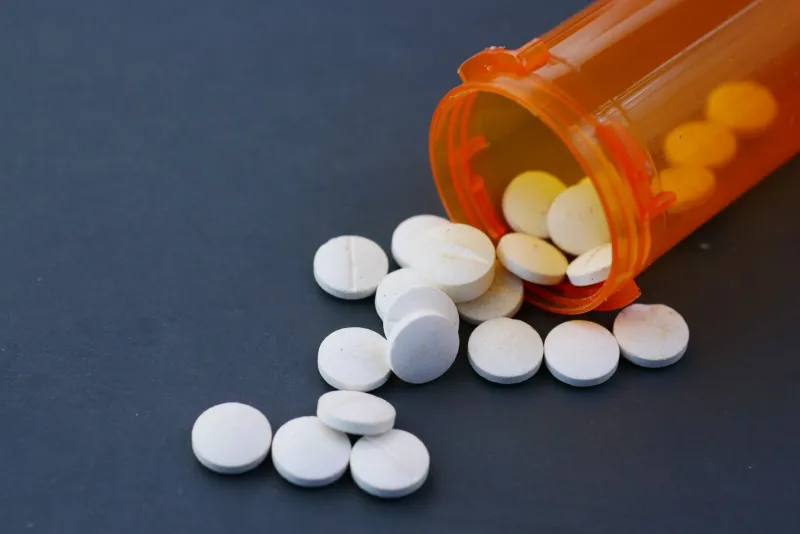
Let's get one thing straight before we go any further: antibiotics are a genuine medical miracle. Alexander Fleming's accidental discovery of penicillin in 1928 changed the trajectory of human survival. Pneumonia, sepsis, tuberculosis — infections that once wiped out entire families became manageable. We're not here to tell you antibiotics are evil.
But here's the renegade question nobody in a white coat seems to want to ask out loud: what's the cost?
Because there is one. A big one. And it's compounding every single year.
The "Nuke It From Orbit" Problem
When you walk into an urgent care clinic in the US with a sinus infection, a mild UTI, or even a bad cough, there's a decent chance you're walking out with a prescription for a broad-spectrum antibiotic. Something like amoxicillin-clavulanate or azithromycin — drugs engineered to wipe out a wide range of bacterial species simultaneously.
That sounds efficient. Thorough, even. But here's the issue: your gut alone houses somewhere between 38 and 100 trillion microbial cells. These aren't passengers. They're infrastructure. They regulate your immune responses, synthesize neurotransmitters like serotonin, influence your cardiovascular health, and help manage systemic inflammation — the same inflammation that drives heart disease, metabolic disorders, and a dozen other chronic conditions.
A single course of broad-spectrum antibiotics can eliminate up to 30% of your gut microbiome species. Some of those species take months to recover. Others, according to research published in Nature, may never fully return.
You killed the infection. You also torched the village.
The Resistance Crisis Nobody Wants to Talk About
Antibiotic resistance isn't a future problem. It's here. Right now. The CDC estimates that more than 2.8 million antibiotic-resistant infections occur in the US every year, killing at least 35,000 Americans annually. The World Health Organization has labeled antimicrobial resistance one of the top ten global public health threats facing humanity.
How did we get here? Overprescription. Studies consistently show that roughly 30% of antibiotic prescriptions in outpatient settings in the US are unnecessary — often written for viral infections that antibiotics can't even touch. Your doctor knows antibiotics don't treat the flu. But a patient who leaves without a prescription is sometimes an unhappy patient, and unhappy patients leave bad reviews.
So the drugs get handed out. The bacteria adapt. The next generation of bacteria shrugs off the medication. Repeat.
This is the antibiotic paradox: the more we use these drugs to protect ourselves, the less protected we become — collectively and individually.
What's Actually Happening in Your Body
The gut-heart connection is more direct than most people realize. Research from the Cleveland Clinic and institutions like Johns Hopkins has shown that an imbalanced microbiome — called dysbiosis — can elevate levels of TMAO (trimethylamine N-oxide), a compound strongly linked to atherosclerosis and cardiovascular disease. When antibiotics disrupt the bacterial balance in your gut, they can inadvertently shift the microbial population toward species that produce more of these harmful metabolites.
Dysbiosis has also been associated with increased intestinal permeability (what some researchers call "leaky gut"), which allows bacterial fragments like lipopolysaccharides to enter the bloodstream and trigger chronic low-grade inflammation. That inflammation is a driver of plaque buildup, insulin resistance, and hypertension.
Your doctor prescribed the antibiotic to treat your ear infection. Nobody mentioned it might be nudging your cardiovascular risk profile in the wrong direction.
The Alternatives That Aren't Getting Airtime
So what are the options? The honest answer is: more than most patients are told about.
Phage therapy is one of the most exciting and underutilized tools in infectious disease medicine. Bacteriophages are viruses that target and destroy specific bacterial strains with laser-like precision — no collateral damage to your microbiome. Phage therapy has been used successfully in Eastern Europe for decades and is gaining serious traction in US research circles, particularly for antibiotic-resistant infections. The Phage Directory and institutions like UC San Diego's Center for Innovative Phage Applications are doing groundbreaking work here. It's not widely available yet, but it's real, and it's coming.
Targeted antimicrobials and botanical agents are another conversation worth having. Compounds like berberine, oregano oil, and allicin (from garlic) have demonstrated antimicrobial activity in peer-reviewed studies — with a more selective impact on pathogenic bacteria compared to broad-spectrum pharmaceuticals. These aren't magic cures, and they're not appropriate for serious systemic infections. But for mild bacterial overgrowth or as supportive care, they deserve more than a dismissive eye-roll from conventional practitioners.
Immune-optimization protocols are probably the most overlooked angle. The question isn't always "how do we kill the bacteria?" — it's sometimes "why isn't the immune system handling this on its own?" Chronic sleep deprivation, vitamin D deficiency (extraordinarily common in the US), zinc insufficiency, and high cortisol levels all blunt immune function. Addressing those variables before reaching for the prescription pad is a legitimate clinical strategy that rarely gets discussed in a 12-minute appointment.
What You Should Ask Before Filling That Prescription
None of this means you should refuse antibiotics when you genuinely need them. Bacterial meningitis, Lyme disease, strep throat with complications, serious urinary tract infections — these are situations where antibiotics can be life-saving and should be used without hesitation.
But you're allowed to ask questions. Here's a short list:
- Is this infection confirmed bacterial, or are we treating a likely viral illness?
- Is a narrow-spectrum antibiotic an option instead of a broad-spectrum one?
- What does watchful waiting look like here — is there a 48-hour window to monitor before prescribing?
- Should I be taking a probiotic alongside this, and if so, which strains?
- Are there any alternatives worth considering given my health history?
A good doctor won't be offended by these questions. They'll appreciate a patient who's engaged.
The Bigger Picture
The antibiotic paradox isn't really about antibiotics. It's about a healthcare system that's optimized for speed and liability management rather than individualized, long-view wellness. Prescribing an antibiotic takes 30 seconds. Explaining the nuances of infection management, microbiome health, and immune optimization takes 20 minutes nobody has.
That's the gap we're trying to fill here at The Renegade Health Show. Not by telling you to distrust medicine, but by giving you the information and the questions to make medicine work better for you.
Because the goal was never just to kill the bacteria. The goal was always to help you thrive.